Marine Pollution

Marine pollution
is a combination of chemicals and trash, most of which comes from land sources and is washed or blown into the ocean. This pollution results in damage to the environment, to the health of all organisms, and to economic structures worldwide.
Marine pollution is a growing problem in today’s world. Our ocean is being flooded with two main types of pollution: chemicals and trash or plastic pollution
Chemical contamination, or nutrient pollution, is concerning for health, environmental, and economic reasons. This type of pollution occurs when human activities, notably the use of fertilizer on farms, lead to the runoff of chemicals into waterways that ultimately flow into the ocean. The increased concentration of chemicals, such as nitrogen and phosphorus, in the coastal ocean promotes the growth of algal blooms, which can be toxic to wildlife and harmful to humans. The negative effects on health and the environment caused by algal blooms hurt local fishing and tourism industries.
Marine trash encompasses all manufactured products—most of them plastic—that end up in the ocean. Littering, storm winds, and poor waste management all contribute to the accumulation of this debris, 80 percent of which comes from sources on land. Common types of marine debris include various plastic items like shopping bags and beverage bottles, along with cigarette butts, bottle caps, food wrappers, and fishing gear. Plastic waste is particularly problematic as a pollutant because it is so long-lasting. Plastic items can take hundreds of years to decompose.
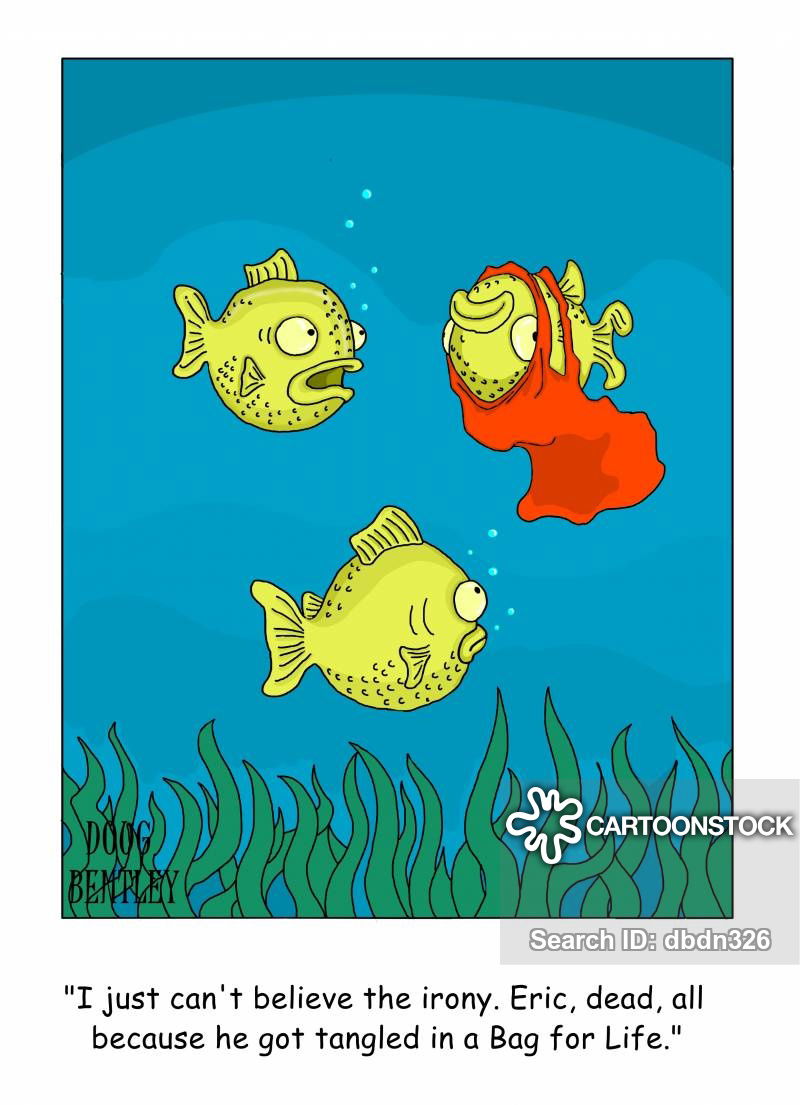
This trash poses dangers to both humans and animals. Fish become tangled and injured in the debris, and some animals mistake items like plastic bags for food and eat them. Small organisms feed on tiny bits of broken-down plastic, called microplastic, and absorb the chemicals from the plastic into their tissues. Microplastics are less than five millimeters (0.2 inches) in diameter and have been detected in a range of marine species, including plankton and whales. When small organisms that consume microplastics are eaten by larger animals, the toxic chemicals then become part of their tissues. In this way, the microplastic pollution migrates up the food chain, eventually becoming part of the food that humans eat.
Some solutions to reduce marine pollution: -
1- Use a reusable bottle
Plastic bottles are present in very (very) large quantities in our oceans, they are ingested by marine mammals or accumulate in nature and on our beaches. Different kinds of plastic can degrade at different times, but the average time for a plastic bottle to completely degrade is at least 450 years. It can even take some bottles 1000 years to biodegrade.
Reusing plastic bottles can significantly reduce Ocean pollution, greenhouse gas emissions, and energy usage.
2 – Refuse disposable utensils : Straws, cutlery, tumblers and plastic bags…
Plastic forks, knives and spoons may be convenient, but they’re wreaking havoc on our oceans. In fact, six million tons of non-durable plastics are discarded every year. “Non-durable” means that the plastic has a useful life of less than three years. Other examples of non-durable plastics include plastic packaging, trash bags, cups, and more.
3 – Recycle Properly
Recycling is an important factor in conserving natural resources and greatly contributes towards improving the environment. Below are some helpful hints about recycling in and around the home.
4 - Use less fertilizer
When fertilizers are used in gardening and agriculture, the excess eventually ends up in the ocean. One of the most devastating pollutants are the nitrogen and phosphorus found in our fertilizer and sewage. When too much of either washes downstream, coastal waters become choked with heavily fertilized algae, which then dies and decomposes, consuming the oxygen in the water and asphyxiating animal life. This process, called eutrophication
You can help prevent marine pollution, too by Picking up trash on the beach. Each individual can better the ocean’s ecosystem by playing their part in keeping the beaches clean, now take action and save our planet.